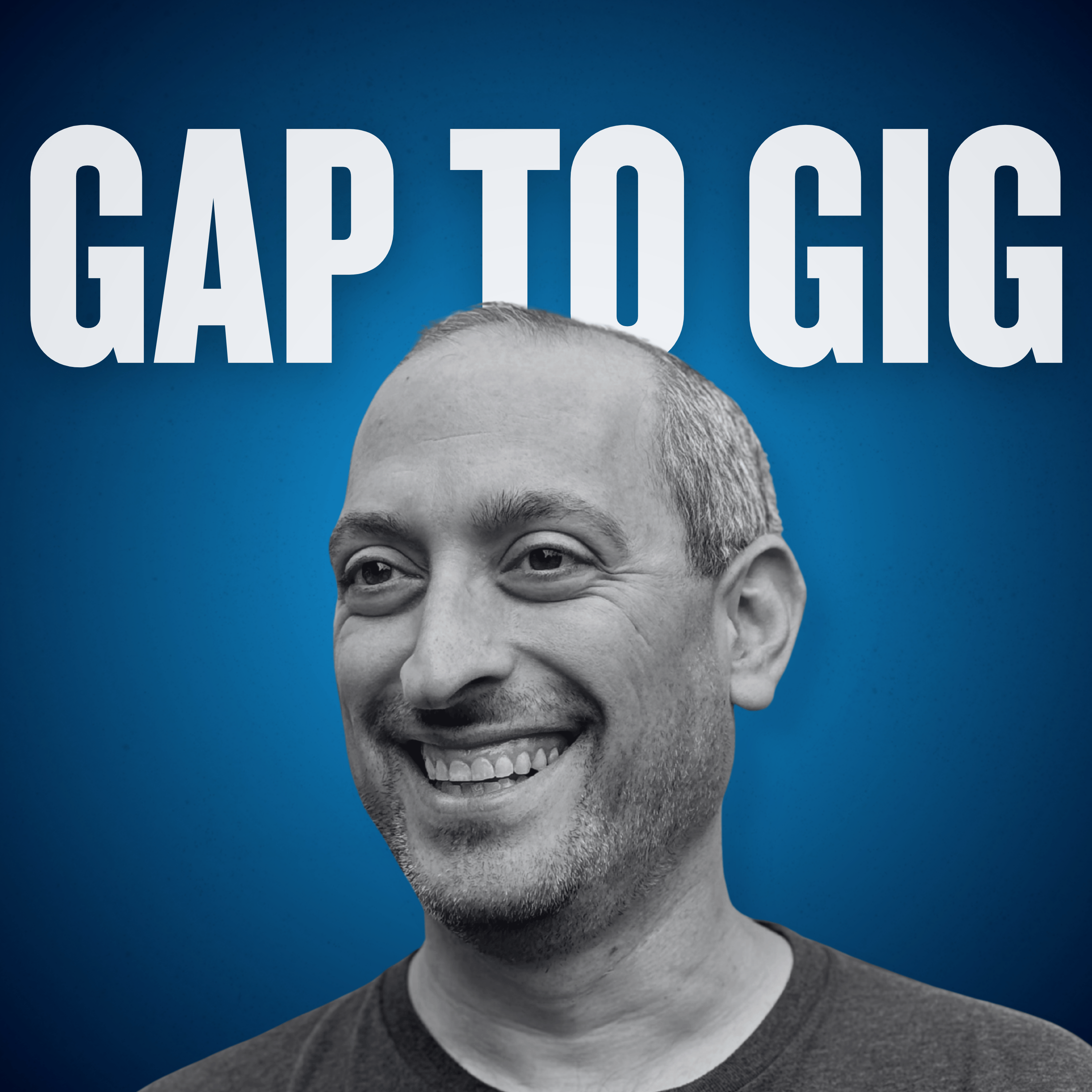


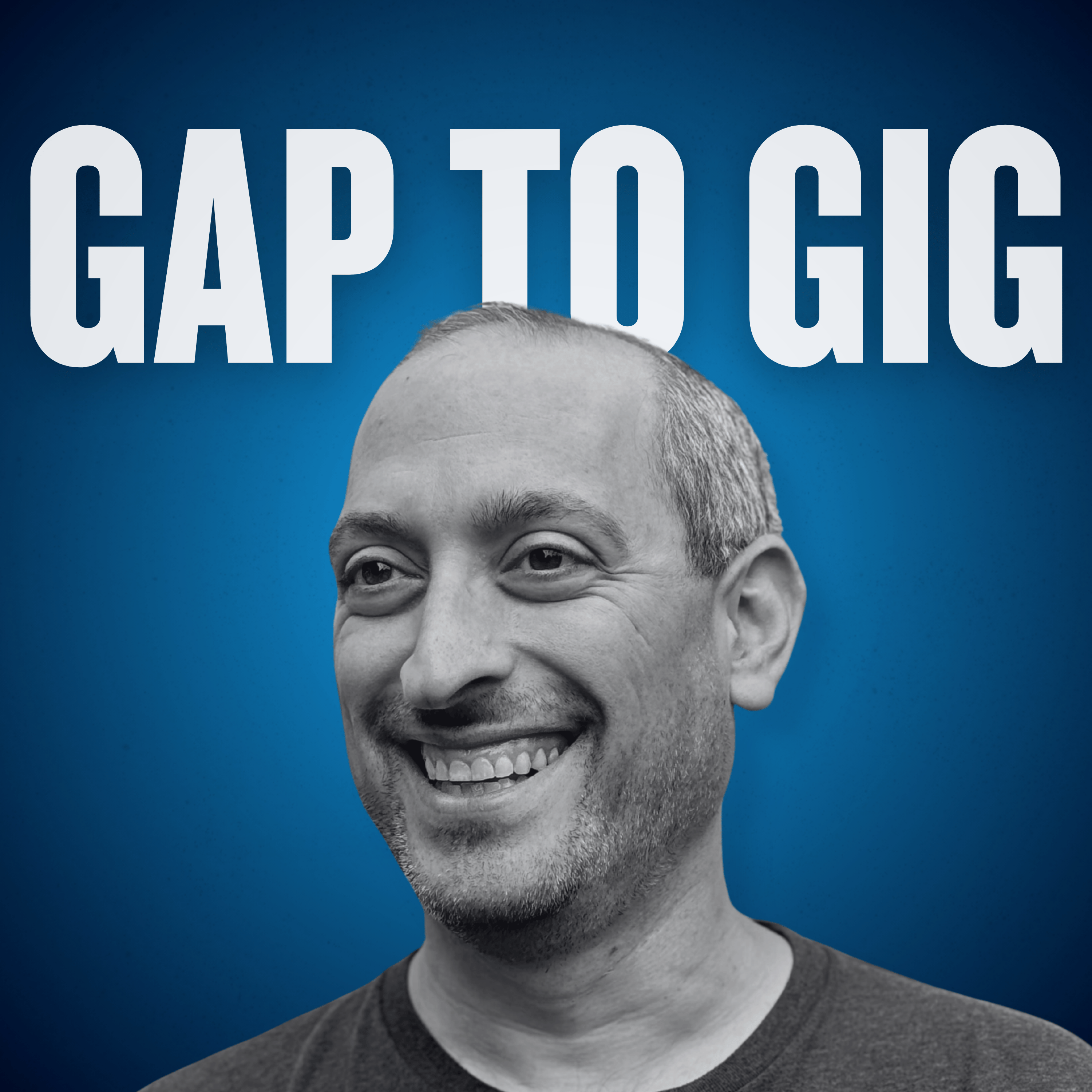
Chip Scholz on Navigating the Changing Seasons of Fatherhood
 Apple Podcasts Apple Podcasts
 Spotify Spotify
 YouTube YouTube
 Youtube Music Youtube Music
 Amazon Music Amazon Music
 Overcast Overcast
 PocketCasts PocketCasts
 iHeartRadio iHeartRadio
 Audible Audible
 Castbox Castbox
 Castamatic Castamatic
 Castro Castro
 Deezer Deezer
 Fountain Fountain
 Goodpods Goodpods
 Pandora Pandora
 PlayerFM PlayerFM
 Podcast Addict Podcast Addict
 Podchaser Podchaser
 Podurama Podurama
 Podverse Podverse
 TuneIn TuneIn Apple Podcasts Apple Podcasts Spotify Spotify YouTube YouTube Youtube Music Youtube Music Amazon Music Amazon Music Overcast Overcast PocketCasts PocketCasts iHeartRadio iHeartRadio Audible Audible Castbox Castbox Castamatic Castamatic Castro Castro Deezer Deezer Fountain Fountain Goodpods Goodpods Pandora Pandora PlayerFM PlayerFM Podcast Addict Podcast Addict Podchaser Podchaser Podurama Podurama Podverse Podverse TuneIn TuneIn
Key Takeaways
- Life changes less through massive breakthrough moments and much more through the small, daily decisions that accumulate over time.
- There is no true separation between work and life; it is all one integrated experience where you bring your whole self to both domains.
- Instead of striving for an impossible daily equilibrium, think about work-life balance in terms of changing seasons across different stages of life.
- Fatherhood is demanding, and recognizing what truly matters requires intentionality so you don't get lost solely in the daily whirlwind of tasks.
- Letting go of identities and roles that no longer fit is a crucial part of personal growth and successful life transitions.
For working dads, what matters most doesn't stay the same forever. Careers change, kids grow up, responsibilities shift, and the way we define ourselves has to evolve along with them.
Executive coach and author Chip Scholz helps leaders navigate transition, growth, and change. As a dad of three grown daughters, he has also experienced how fatherhood changes across different seasons of life. Chip believes the small decisions we make every day can ultimately shape our lives far more than the occasional big decision.
Chip shares how to:
- Recognize the small decisions that can create meaningful change over time
- Think about work life balance in terms of seasons rather than perfect equilibrium
- Separate meaningful work from simply staying busy
- Move from being performative to being useful at work and at home
- Practice patience and presence instead of trying to control every outcome
- Adapt your parenting as your kids grow and become more independent
- Let go of identities and roles that no longer fit the season you're entering
Chip offers a grounded perspective on fatherhood, work life balance, meaningful work, dad identity, presence at home, and the challenge of deciding what deserves your attention during different seasons of life.
Dig Deeper
Follow Chip
Follow Gap to Gig
On your podcast player of choice
Sign up for the Gap to Gig newsletter
Follow Michael
Frequently Asked Questions
Who is Chip Scholz?
Chip Scholz is an executive coach, author, and storyteller with nearly three decades of experience helping leaders navigate transition, growth, and change.
What books has Chip Scholz written?
Chip Scholz is the author of 'Small Decisions, Big Shifts', 'Every Dog Has His Day', and the upcoming book 'Handoffs'.
How should working dads think about work-life balance?
Rather than trying to achieve a perfect equilibrium every single day, working dads should view balance through the lens of shifting seasons where different life areas take priority at different times.
0:00 Chip: I reject the concept that there is a, a difference between work and life. You know? There's only life, and you don't leave work when you go to life, and you don't leave life when you go to work. So it's all, it's all a part of life. Michael: Welcome to Gap to Gig, the show for dads navigating the in-between season when work, identity, and priorities start asking different questions. Here we talk about what that season looks like and how to move through it with intention. I'm your host, Michael Jacobs, and today's guest is Chip Scholz. Chip is an executive coach, author, and storyteller who has spent nearly three decades helping leaders navigate transition, growth, change, and the often complicated relationship between who they are and what they do.
0:44 He's the author of "Small Decisions, Big Shifts," "Every Dog Has His Day," and the upcoming book, "Handoffs," which explores leadership, succession, and the challenge of letting go of identities we've spent years building. Chip, welcome to Gap to Gig. I'm so glad you're here. Chip: Michael, it's a pleasure. It really is. Michael: I appreciate that. So one of the ideas that runs through so much of your work is that life changes less through big breakthrough moments and more through small shifts that accumulate over time. You talk about the shifts that shape your life a lot. When you look back on your own journey, what were some of the small decisions that ended up changing far more than you realized at the time?
1:25 Chip: You know, it's, it's pretty interesting when you talk about that, and I, I go back to how I met my wife. She came in looking for a job and I, I didn't hire her. I ended up marrying her. But she, you know, it was, it was just a small decision. And, and what with the small decision, I think it, the real small decision is that about a year later after we met, and we hit it off pretty well, but she was married at the time and, and I wasn't that kind of a guy. And she, she called me about a year later. She happened to be a telemarketer and her territory happened to include the company that I worked for.
2:10 And so we just struck it up again, and this time she was divorced. And so, you know, I just made one of the gutsiest calls I've ever made and I said, I, I said "So are you going through all the post-divorce yayas?" And she said, "What's that?" And I said, "You know, cut your hair, hang out with strange men, that kind of thing." She said, "Well, there's only one way to find out." And the gutsiest thing I ever did was I said, "Great. Let's have dinner Wednesday night." And she, and, and so, you know, it changed, it changed the course of our lives. We, we got married a year to the day after, after we we met or after we, we had that first date.
2:56 And, and we've been married for 42 years. And, and so it's, it's not the compilation of, of the big things. Michael: Right. Chip: It's the compilation of what you do every day. Michael: Right. Chip: You know 85% of what we, what we do every day we don't think about. We've already decided, we already, you know, it's, it's stuff that's, that's unconscious competent. We, we just, we don't think about it anymore. And, and so if we wanna change, if we wanna do something different, we've gotta, we've gotta make that, that decision every day when we get up.
3:37 You know, I, I think courage is, is best defined by the courage of showing up, which means you get up every morning and do the thing that you need to do. That's, that's real courage. Michael: Right. It's putting yourself out there, right? Giving yourself the opportunity to have these opportunities to meet your wife, your future wife. You know, it, if you didn't allow yourself to be open to responding to her, to your wife when she said, "There's only one way to find out," if you didn't allow yourself that opportunity, if you didn't give yourself, if you didn't have the courage to put yourself in that situation to begin with of asking her out on that first date, it wouldn't happen, right?
4:22 And I think that Chip: That's right. Michael: it's, I don't know if I want to call it a skill or not, but it is a choice that we can consciously make or not make in all aspects of our life, right? If we are trying to go after that promotion at work, if we are trying to create our own business, if we are trying to, you know, set a new path for our families, the only way to do that is to put ourselves out there to allow ourselves to go after that, to accomplish that, to take those steps, right? But like you said, you have to choose to do that. It, very rarely does it just come to you, right, it, unless you've put yourself in that position to begin with.
5:06 Chip: Well, you, you, you, it's, it takes a, another step, too, Michael. It, it, you have to know what you want. Michael: Right. Chip: It comes back to saying, "Okay, so how do we frame it up?" Well, the, the way that I look at it is when I, when I ask coaching clients or when I ask people that I'm working with what is their definition of success? You know, what are, what are the things that mean success for them? And, and I never hear the, the house or the car or the vacation home or the, you know, the trip to France or anything. I always hear happy family, happy, ha-, you know, happy wife happy financial stability, things like that.
5:52 So I always hear that. So those are lifelong pursuits, but we don't really frame that in the things that we wanna do long term, and then we have a harder time saying yes to the things that, that, that we really want. And we get, we get caught up in the whirlwind. We get caught up in, in, you know, having to take the kids to soccer practice and, you know, pick up the dry cleaning and that kind of thing. Michael: Right. I think, you know, you said it's, it's hard to know what you want. It's easy to know what you, it's easier to know what you don't want. I think, for me at least, and I think for a lot of dads out there, it's, you don't know what you don't know you haven't experienced it yet, right?
6:34 And so the best way to find out what you do want is to experience things, which means, again, putting yourself out there. That doesn't mean you have to go and do the most high-risk, crazy things in the world. You don't have to go paragliding off a mountain or, you know, jump out of an airplane to know whether or not you're gonna like something like that, right? Or what your goals are going to be. But it means giving yourself an opport-, allowing yourself the opportunity to have experiences and allow those experiences to shape kind of where you want to go in the next phase, next season of your life, Chip: Yeah. Michael: right? If you, if you discover Chip: Yeah. Michael: a new hobby or you discover work that you love or work that you don't love, that you want to move away from, like those are signals to you that, okay, what do I want to do next?
7:25 A-, and how does that kind of fit into that? Yes, the long term, I want to have a happy life. I want to be financially stable. Most people have goals like that, but there needs to be things that are what's meaningful to you at the end of the day. Like what is going to bring you satisfaction? And, to me, I think it does come down to experience. And if you don't allow yourself to experience new things, and that could be any, experience is essentially time, right, is giving yourself time to learn new things, see new things, hear new things, feel new things. As you start to, you know, bring those senses together, what works for you?
8:08 What doesn't? What clicks? Like what is going to make you happy? Because we spend a lot of time working. We spend a lot of time Chip: taking Michael: care of ourselves, taking care of our families. And so like you said, like sometimes we just get lost in the day-to-day, in the nitty-gritty. We got to get our kids to practice. We got to get them to their doctor's appointments. We got to get them here or there, and we have to go get gas for the car, and we have to get groceries. And so we don't always take a step back to Chip: figure Michael: out what is it that I am, why am I doing these things? Yes, I'm doing them because I just need to sustain life for me and my family, but there is a, probably a deeper meaning there, right? And just because we might be in a busy season now doesn't mean we can't think about Chip: where Michael: we, what direction we want to head next.
8:57 And, Chip: you Michael: know, like I think a lot of dads listening right now are in a season where work demands are high, kids are busy, life feels pretty full and, and as a result, it is so easy to miss some of those small shifts, some of those experiences while we're living through them. Why do you think that is? Why do you think we miss some of these small moments as we're trying to figure out, you know, the direction of our lives and just living day to day? Chip: You know, I, I guess the, the question is, Michael, do you think being a dad is, is tough?
9:37 Or do you think being a dad is tougher now than it was in the past? Michael: Yeah, I mean, for me, I, I don't know how I can compare it to the past, right? I wasn't a father in the 1950s. I wasn't a father in the 1980s, right? I'm a father now. Chip: Okay. Yeah. Yeah. Michael: It's like, I don't know. Chip: That's true. That's true. Michael: Right, so it's times change, you know, and things change. I think fatherhood is demanding. Yes, everybody's situation is different, and there's ebbs and flows to fatherhood. Sometimes, you know, you're riding a great high when things are going really well, and sometimes, you know, it's easy to get down because kids aren't listening or not behaving or, you know, work is tough.
10:19 Maybe you're going through a divorce, maybe you're, you know, you're going through things. And so fatherhood feels more challenging in that moment, right? 'Cause fatherhood is demanding because you are, people are relying on you to be responsible for things as a father, right? And so there is, there are demands on you that is demanding. Is that tough? I don't know. I don't know the answer to that, right? It, it may be. It may be for some, it's tougher for some people than it is others. But I'm, you know, I'm trying to think like, because it's demanding, I think it is difficult to miss some of these small moments, right?
11:00 That actually have greater impact on us in the long run, right? Like, to me… Chip: Th-, so there's a difference between small moments and small decisions, right? Michael: Sure. Chip: So, so, there, you can pick up on those small moments and you, you might not pick up on those small moments, and those small moments may have a big impact later on in, in your life. So what I'm talking about is more the small decisions that you make. So, so a small decision may be that you're open to those small moments. Michael: Right. Chip: You know? 'Cause listen, I, I don't think that being a dad is, is the toughest thing ever.
11:41 I don't think that being a mom is the toughest thing ever. I think it's, I think it's, it's, you know, both difficult to be a mom and a dad. But I, I think there are a lot of expectations on fathers that, that might not be the same as, as they, they might otherwise be. I mean, look, I came to fatherhood in a rush. I inherited three, three kids and, and three small kids. And I, I'll tell you, you know, one day I just added water and all of a sudden I had a family.
12:24 That's a whole lot different, I think, than, than going through and getting all the, the, the small kid and the diapers and all that kind of stuff. Michael: Right. Chip: I kind of missed all that. But like, like I said, 42 years and, and I'm still, I'm still hanging in there. And and I think I've, I've, my, my wife and I have raised some pretty amazing daughters. And I've got three daughters, by the way. I, I didn't know if I mentioned that. But, you know, it's, it's a decision to, to pay attention to the small moments. Does that make any sense? Michael: Yeah, I think that's where, that's where I was heading.
13:06 I, I think I, you know, I probably come across as conflating small moments with small decisions because I think the small moments lead to those decisions, right? It's experiencing those moments which leads to the decisions. Like, okay, I just had this moment with my daughter where we, you know, came up with this new crazy game, and I realized that that creativity is something that I want more of in my life, and I want that creativity with my daughter. Like, I want to do tho-, that particular experience with her. So I'm gonna consciously make a decision to, you know, more of these moments with my child to do that, because that is more meaningful and more fulfilling for me in that moment, right?
13:56 Yeah, you're not gonna pay attention to every small moment that happens. You're not gonna remember, you know, who turned off the lights downstairs, you know, before you went to bed, right, every day. You're not gonna remember those little things all the time, but there are those moments, and like for me, often it is based around conversation, right? It is having that offhand conversation with one of my kids. It's having that offline, offhand conversation with my wife or with a friend, where it just reminds me of like, yeah, that is important. To me, that was the moment that I want to capture and hold onto, and that is what I want to keep coming back to, and I need to, to do that more often. It's very easy for me as an introvert to be like, "Okay, I'm gonna separate myself and, you know, just take time for myself," which is a good thing, you know, to take care of yourself, but at the same time, if I want to grow and accomplish more and feel more fulfilled, I do need to put myself out there, right?
14:49 And so it's like, I do recognize in some of these smaller moments that that is a moment where I can make a conscious decision. Do I spend more time doing that thing or less time doing that thing? Does that motivate me to now go pursue something else, like a new opportunity? Maybe, but I have to put myself in that moment in order to discover that potential for a decision, right? So I, I think, you know, I say s-, I, I said small moments, you said small decisions, and yes, they are two different things, but I think they are interconnected, right? The, Chip: Yeah. Michael: The small moments lead to the, the, to the small decisions. Chip: Yeah. Yes. So, so y-, you know, here's, here's an interesting question. We were talking about dads and all the things they do.
15:33 Do you like the concept of work-life balance? Michael: I like, yes and no. Okay. I, I'm toeing the line here. I know I'm not giving you the answer that, that you're actually asking for. I think both have a place. Both work and life have a place. And, you know, I've, I've talked about balance before. I've, and I, I've talked to career coaches and life coaches, and they're always like, "It's not balance, it's alignment," right? You gotta align, you know, what matters to you in terms of what you wanna do for work and what you wanna do for life. For me, you can call it balance, you can call it alignment, you can call it anything you want.
16:18 To me, it's, it all comes down to what do I want out of my life? I have a limited amount of time on this earth, right? As far as I know, I've got this one life to live, and I can choose however I want to spend my time for the most part, right? Like, I'm gonna have to sleep. I'm gonna have to eat. There are certain things I'm gonna just have to do. Do I want to spend more time doing work that has a greater impact on those I care about? Yes. That to me is more meaningful work. So I want some of that in my life. I also want that life part of the work-life balance, alignment, whatever you want to call it, right?
17:01 I w-, I know I only have so much time with the people around me, the people that are important to me, family, friends, colleagues, you know, those are the people that I want to make sure that I still connect with. And it doesn't mean I have to spend all my time doing that either, right? It's just every day, what is giving me the fulfillment and moving me forward towards my goal of having this impact? Like, to me, I think my life's purpose is to just put a little bit more good into this world by surround-, by allowing or helping the people I care about most be able to help others as well. So if I can impact my kids, my friends, my family to do good, to do well, to treat others well, that is the impact I think I can have.
17:48 I'm not going to, you know, win a Nobel Peace Prize. I'm not going to win the Stanley Cup. I'm fine with that, right? That, that's not gonna bring me any more fulfillment than seeing the people around me happy and contributing and fulfilled, and, to me, that is how I base my decisions now. Okay, am I gonna spend, yes, I do need to work. I do need to earn a living. I do need to keep a roof over my head. So yes, I'm going to do some of that, but can I do that in a way that is meaningful to me? So that is a really long-winded way of saying, yeah, work-life balance, sure, it's a thing, but you might, everybody has different terminology for it, right?
18:31 And I'm fine with any of that terminology. It's recognizing that there are these different pieces, these different pillars, right? There's the work pillar. There's the, the home, the family, friends pillar. You also have to take care of yourself. You can't show up for work and show up for your family if you're run down and you haven't taken care of yourself either, right? At some point, you're not gonna have enough energy. And I think what I'm discovering, too, as I get older, is that there's also this, there might be a fourth pillar here of, like, community, right, of, a, and for everybody, that might look different, right? For me, it was coaching, you know, youth sports. For others, it could be teaching, it could be volunteering. It could be all different ways or just finding a group of people that are like-minded that you can coalesce with and contribute something greater together.
19:15 But that's, all that is just me, right? And I think that's what makes parenting so interesting, is that everybody has a different experience, and everybody can look at it from their own perspective. And I, my perspective might work for me, might not work for somebody else, and that's okay too. I'm curious now, like, if I flip that question back on you, what is your answer? Like, do you believe in work-life balance? Chip: Well, first of all, I, I reject the concept that there is a, a difference between work and life. You know? There's only life, and you don't leave work when you go to life, and you don't leave life when you go to work. So it's all, it's all a part of life. And, and you say it is pillars.
19:57 I say life areas. You know? I, I look at mind, body, spirit. I look at family, I look at financial, I look at, at, at career and, and look at all those different parts of life and, and every-, everything, I, I think in terms of seasons rather than like every day has to balance. I have to work eight hours, I have to play eight hours, I have to sleep eight hours. That's kind of crazy because it's, it's an impossible standard. I, I think work-life balance was a, a, a phrase that some guy who missed his kid's soccer game came up with to, to say how it was.
20:37 So, you know, I think it's, I think it's more in terms of seasons. You know, there are times when your family takes the lead, right? And, and you just, you know, whether it's a good thing or a bad thing, your, your kid's being born, your kid's getting married there are things that you're gonna have to do that, that are, are going to engage you and, and wrap you up and, and your, your career takes a backseat. There are gonna be times when if you wanna get an advanced education and, and you're going back to school, God, that is, that is an all-absorbing… I've had a bunch of clients that that went back and, and got MBAs even w-, you know, while they're mid-career and some had some pretty heavy-duty obligations.
21:28 So it's, it's all seasons, you know? Michael: Right. Yeah, I, I agree with that. I, I think and seasons change, right? It's your, this could be a season where you're more focused on family. It could be, you know, that you just need to work, right? You need to focus on work. Maybe you have your own business, and it is flailing, and you need to put some pieces together. You just put more time into that. But you have to have a plan to… I don't think you can neglect one and still support, and support the other and hope that they all just kind of work itself out, right? You Chip: Yep.
22:08 Michael: have to take all aspects of what's important to you. And for some people, work is never going to be important. Okay. Like that, then you know that. Then you can kind of figure out what your, your alignment is, what your balance is, what you're, what season you're in, right? But you do need to consider all these different pillars, or you call them areas, that are important to you, right? But that, again, Chip: That's right. Michael: that differs person by person, right? Chip: That is. That is. Michael: So one of the things I hear from dads all the time is, "I know what matters, but I still struggle to act like it matters." Right?
22:49 Why is there often such a gap between what we know and how we actually live or execute some of the stuff we're talking about? Chip: That's interesting. You know, I, I never was one of those kind of dads that, that spent a lot of time, you know, playing golf on, on the weekend with his buddies or, or, you know, I just, I didn't have that. So I didn't have a lot of competing priorities, but, but I would imagine it's, it's competing priorities. It's, it's, it's, you know… Yeah, I, I, I realized there, there are people that I've had as friends for, for a while, but I realized a long time ago that, that I didn't want to do the things that I needed to do to be a friend.
23:39 And so that, that wasn't the, the most important part of, of my life. That was one of those pillars that, that just suffered and, and that's okay. But it, it is. It's, it's getting s-, it's getting sucked into the whirlwind, you know? It's, it's just having so much to do, and it's, I, I, I think to a great degree we spend a lot of our lives faking it. We spend a lot of our lives, and, and they, they call it imposter syndrome now, but it's really, it's really faking it and feeling like we have to fake it and feeling like we have to have all the answers and feeling like we have to be performative.
24:27 And w-, one of the, one of the shifts that, that happened in my life is, is the, the shift from being performative to being useful And, and I think that, you know, as, as dads or as moms, but, but as dads, you know, most of, most of the time we, we just wonder what the hell's happening. Michael: Right. Chip: And we're just trying to figure it out. And, and sometimes we figure it out well, and sometimes we, we don't. And we hope, we hope that we're the kind of dads that, that later on in life our, our kids tell great stories about, and do you remember the time, and all that kind of stuff.
25:12 And yeah, they, they may be a little embarrassing, but, you know, you hope they're the good stories rather than, "Can you believe the old man was such a jerk?" So, you know, I, I think, I think it's part that, that we don't know what to do. I think it's part that we haven't decided what we're gonna do. And I, I think the most, most successful people are, are the ones that, that learn how to be themselves early and are not performative. And, and, you know, there's a lot of pressure on us.
25:52 Think about it. We're, we're under pressure to perform at work, and most of, most of the time, we're mostly terrified when we're, we're at work anyway. And, and I don't care if you're, you're a CEO or, or somebody that is just out selling or an engineer, you know? Most of the time we're just, we're just trying to figure it all out. And then, and then compound it with with what we're doing at home. Michael: Yeah. Yeah, I think this idea of being performative is something we all do, at least to some degree, and it's almost subconscious. Like, we don't even think about it.
26:34 Like, we just think that's what is expected of us, right? We are expected to achieve, achieve, achieve, especially, you know, in today's day and age with social media and everything, everybody's putting out-, putting their best foot forward constantly, all the time. It's right in your face of like, "Look what I did at work. Look what I accomplished. Look at the deal I closed. Look at what my kids just did." You know, "Look at the vacation we just took." And you're, you're trying to keep up with the Joneses to some degree, but that isn't being true to yourself, and it makes it much more difficult, I think, to find what is meaningful to you, what is fulfilling to you. I do push back on the notion that the earlier you can discover that, the more successful you will be.
27:24 I think, I don't think it really matters what stage of life you figure that out. When you do figure it out, that is, that's a new season, right? And so, like, everybody's seasons are different. Chip: I Michael: think you can be just as successful figuring that out at 45 than you are figuring that out at 25, right? I think, either way, you're still buil-, building up that well of experiences that you can draw from, right? And that these small moments that you can then start to make decisions You know, I wonder, Chip: There's… Michael: like, in terms of being performative, like, sometimes it can feel like we are pursuing meaningful work, but oftentimes we kind of just stay busy, right?
28:16 Like, because busy feels productive, Chip: Yeah. Michael: right? Do you see that? And like, how can you tell if you're being busy just for, to feel productive versus being busy 'cause you're generally pursuing something that is meaningful? Chip: Well, think about it, Michael. We are judged and, and compensated our whole life for what we do… not for who we are. At some time that shifts. At some point, you know, maybe when you're, when, maybe when you're managing managers, you know, when you're, when you're one step away from the work or two steps away from the work, maybe that shifts.
28:58 But, you know, depends on what you do. If you're, if you're in sales, if you're in engineering, if you're, if what-, whatever your, your situation is, you're compensated and judged for what you do. It's, it's been ingrained in us. It's been ingrained in us to be busy. It's been ingrained in us not to be bored. I mean are you ever bored? Michael: Me personally, no. I couldn't tell you the last time I was bored. Chip: Yeah. Is boredom a bad thing? Michael: I mean, to me, no, I don't think it is. I don't, but because I don't recall last time I was bored.
29:38 Like, I think maybe in the moment, right, your short-term thinking is like, "Well, this is not what I want to be doing. I don't want to be bored. I want to be doing something fun." Right, but, to me, I think the way I overcame boredom when I was younger was through discovery, through finding something that would move me away from boredom, right? Whether that was reading or playing a game or getting outside and, you know, playing a sport, whatever it was like for me to figure out that can occupy my mind so that I'm not thinking about boredom itself, right? It's, so to me that, yeah, boredom can be beneficial because it can help you discover what's interesting to you.
30:22 Chip: Boredom is the wellspring of creativity. Yeah. So if you never give yourself a chance to, to stop being so busy, but, you know, we get a huge dopamine rush off of, of being busy. It's, it's like if you got a to-do list, right, and, and you start checking things off your to-do list, we get a dopamine rush every time we check one of those things off. Michael: Right. Chip: Okay, so we check a bunch of things off that don't mean anything, and we leave the big things to, to rot, and we may never get around to those big things. So what have we done?
31:03 Michael: Right, you're just Chip: Got a lot, Michael: spinning your wheels. Chip: yeah, we got ,a lot of dopamine rushes, but it hasn't worked really well, so. Michael: Right. And the more you do that, the more, the less effect that dopamine rush will have on you, I presume, right? So if you c-, constantly are hitting that, that dopamine button, that at some point it's gonna take more in order to have the same effect Chip: That's right. Michael: on you. Chip: That's right. Michael: Right. So, gotta kind of figure that out in moderation. So th-, this kind of makes me think of, of something else that, that you do, and you, you do woodturning, right? Chip: Mm-hmm. Michael: You, you told me that. And this is where kind of that you could be bored or you can go do something, right?
31:47 And for you, it's, it sounds like it's working with your hands. And, you know, you've told me that you found unexpected lessons through woodturning. What has working with your hands taught you about patience and attention and being present, you know, that we can apply a-, as fathers? Chip: Well, first of all, if you're, if you're not present while you're working on wood and especially on a, on a, a piece of wood that's 30 pounds and spinning at, at 800 RPMs and it wants to take your head off, you better be present. Michael: Yeah. Chip: Yeah. But, you know, I, I tell you what it learned, what I learned, and it, it has to do with patience, is you can't force the cut.
32:28 You know? And, and raising kids, you can't force the cut, you know? Because for some reason they have minds of their own and, and, you know, they're not always gonna do what you tell them to do, and they're not always gonna listen to you. And, and so if you try to force it, what happens? Not so good things happen. And, and so, you know, that's, that's what I learned about about wood turning especially is that, and, and what I'm talking about with force the cut is think about trees. I mean, they're dead slices of vegetative matter. That's, that's what Callum Robinson calls it. Callum Robinson is a, is a, a craftsperson.
33:09 He wrote a book called Ingrained about a year or two ago and, and I, I just really was fascinated by the book. But they're, they're a whole collection of fibers, and what you're trying to do is you're trying to cut the fibers rather than scrape the fibers because when you, when you cut the fibers, it comes across clean. When you scrape the fibers, it pulls the fibers out and you get a really rough surface of, you know, and, and think about what the first thing is that a, a person does when they pick up a bowl. They pick up a bowl and they feel it. Michael: Yeah. Chip: And if it's, if it's rough, you know, unless it's supposed to be, you know, unless somebody's textured it, then, then it doesn't feel good and, and they don't, they're not attracted to that bowl.
33:56 But when you get a, a bowl that's, like, soft as a baby's behind, they, it feels good and they wanna keep holding it and, and caressing it. And, and, and same thing, same thing with, with oh, with kids or, or relationships or, or anything. You can't force it. You know, I, I think I heard something like there, somebody said there were five or six things that you can't do, and one of them is can't, you can't make someone love you. You know? And, and that is, that is forcing the cut, is, is just, you know, I don't care, I don't care whether it's kids or, or what we do.
34:38 You gotta be patient. One of my favorite sayings is, is Semper Gumby. And Semper Gumby is well, you know what Gumby is, right? Gumby's this little claymation character, right? Michael: Yeah. Chip: And, and Glum-, Gumby is always flexible. And so Semper Gumby is always flexible. Well, always flexible, I've been using that for probably the last 20 years because not everything's gonna work out the way you want it. Michael: Right. Chip: And there's another learning lesson from, from wood turning as well. When you start off to make something, it isn't going to end up being the same shape that you thought it would be.
35:19 You know, and you gotta be flexible in, in the meantime. Michael: You can't always control what's in front of you. You can control yourself. You have control over decisions that you can make, right? But you can't control how the wood is going to turn. You can't control, you know, what sort of cut you're gonna get, just like you can't control, you know, how your kids go about studying at school or how they, you know, play a sport or do an activity or what they may be interested in. You can expose them to different experiences, different interests, different hobbies, different activities, sports, whatever it may be, but you can't force them to do that for their lives, right?
36:03 Chip: Yep. Michael: Like you can show them, "Hey, this is, this is soccer. Go try it out," right? And they can try it out and, but you're not gonna be able to make them love the sport. Chip: That's right. Michael: You can, maybe they'll enjoy it, maybe they won't. You just have to go in there with that open mind of, either way, I'm okay with that, right? Like, for me, I grew up playing hockey and I coach hockey, and I love hockey. I think hockey's the greatest sport on Earth, but when my f-, my son first tried to play hockey, the first time he went out on the ice, he hated it. And I just had to take a step back and say, "Okay, you tried it. That's all I can ask," right?
36:44 "Let's go play basketball. Let's go play baseball. Let's go play soccer." We did all those things. Couple years later, he wanted to try it again, and he did. And that became his sport, and that is what he played for the majority of his childhood, right? But the timing wasn't right for him then. But if I, I think if I had been in that moment when he first tried to play hockey and first tried to skate, and he didn't like it, and if I said, "No, you're getting back out there tomorrow and doing it again," I'm not sure he would appreciate and enjoy the sport the way he does today, right, 15 years later. I think it would be very different. You know, at, at some point, we have to realize that control isn't always the a-, the answer, right? Sometimes we have to just let the chips fall where they may and be flexible enough, as you say, to allow what comes, right?
37:30 To, okay, this is the outcome is going to be. Now, is that something I want to spend more of my time on or less of my time on? Like, that is a decision you can then make. It, I, am I Chip: Well, Michael: interpreting what you're saying correctly? Chip: well, sure, sure. And, and, you know, as far as control, I mean, years of family therapy taught me that the more in control you think you are, the more, the less in control you actually are. And, and that re-, we learned that very well with, with one of my daughters, but, you know, yes. And, and it takes such time, you know, because man, kids drive you nuts, don't they? They can, and it just, you know, it's, it's kinda crazy that way, so… Michael: Right, but again, that's a decision that we made.
38:18 Like, okay, we're, I, I know that my kids will drive me nuts sometimes, right? A-, and for some of the dumbest things possible. But I have made the decision, like, I'm okay putting up with getting driven nuts by some-, something so dumb 'cause I know the end goal for me is much bigger than that. There's a bigger picture there because I think it's a learning experience for all of us, and it's just an experience. And again, we're in a, we're in a season. It's a temporary moment, right? The things that aggravate me today are probably gonna be very different than the things that aggravate me when I'm 80 or so I imagine, right? Like, I look at my parents, like, what aggravates them today versus what aggravated them when I was a kid, I think they're different things.
39:02 And so I think that's, you know, we have to remind ourselves that these are seasons, right? We will get through them. And not everything will go your way, but we can f-, we choose what we want to focus our time and attention on, right? Chip: I ask, I ask a lot of people if your, if your 80-year-old self could go back and tell your 30-year-old self or 20-year-old self something, what would it be? And maybe even if you're not 80, I mean, if you're, if you're 50 and, and what, what would you go back and tell your, your, your younger self? For me it would be, it ain't a thing.
39:43 All the stuff that you, that you, that you bit yourself over and, and struggled with, it ain't a thing. You know? So, so, so what would you tell yourself? What would you tell your younger self? Michael: I mean, I think that is probably the same message I would, would have for myself of like, again, it's whatever I'm struggling with in the moment, I have to realize is most likely temporary, right? Unless I lose a limb or, you know, some outrageous thing happens where it, there's a fundamental change to my life, I think the day-to-day stuff that could aggravate me or the day-to-day stuff that can hold me back are things that I can overcome if I want to, but I have to choose to determine the path I want to go next.
40:34 Like, okay, I don't like the way that something is happening. I don't like the way that my kids are behaving. They're behaving fine these days, but I'm just saying like, as an example, like, I don't like the way they're behaving, so what can I do to change that? What is within my control, and how do I involve them in figuring out like what it is that they could be doing differently, they can do even better? Like, how can I show them what they are capable of as opposed to what I'm accepting right now, right? And it doesn't mean I can force everything on them, but I can certainly provide a new experience for them and for myself that will hopefully make things better for, for all of us, right?
41:17 So I think I would have the same advice of like, it, don't sweat the small stuff. Like, it's not going to, it's not going to matter in the future, most likely. Chip: Yeah. Michael: It, Chip: There, Michael: right? Chip: there's a, there's a book that the best part of the book was the title, and it's Don't Sweat the Small Stuff, and It's All Small Stuff. Michael: Right. Yep, that's, I think, that's exactly it. It's, right, 'cause again, we are one amongst billions of people on this earth, right? Like, I'm only gonna have so much of an impact, but only so many things can impact me, too, right? Like, what you do tonight, you know, in four hours is probably gonna have no impact on what I do for the rest of my life, right?
42:04 It just won't. But me and you having this conversation right now will probably have an impact on me 'cause it's pro-, it's making me think about things in a different light, and it's giving me a new perspective. And so I can take advantage of that, you know, of thinking through some of our discussion now and later of like, yeah, you know, maybe I can approach this a little bit differently. Maybe the next time I get aggravated about something, I can remember, you know what? It's not really gonna matter when I'm 80. And that will allow me to kind of reset within that moment. So one thing I want to, I wanna kind of shift gears here because there's one thing that you write about that I think is really interesting and is applicable even though most dads won't go through, go through this, which is writing about succession and handoffs, right?
42:52 And I, I don't think every dad is handing off a company right now. Maybe some will, some won't. Th-, that part really doesn't matter whether they do or not. I think every parent eventually does hand off responsibility to their kids. It doesn't have to be a business, right? It can just be life responsibilities or whatever those may be, or just, you know, seeing them off into their next phase of life. What parallels do you see between leadership, leadership like succession or succession planning and parenting? Chip: Oh God, yes. So, you know, again, you talk about seasons and, you know, I, I, there's the old adage that a son is a son until he takes a wife, a daughter is a daughter until, you know, for the rest of your life.
43:38 I, there, there is, there is a time that you've got to let your identity go. And, and, yeah, I think it's a shock for some kids that, that their, their parents are actually human beings. You know, and, and especially teenagers, I think it's a shock for, for most teenagers to think of their, their kids as, as human beings. But, you know, when, when I talk about succession, I, I think about all of the businesses that have, have, the family businesses, that the kids are no longer welcome at, at Thanksgiving because of things their, their parents have done, their dad has done especially.
44:28 That, you know, there's, there's a time that you just have to let go. And there's a time when you have to y-, y-, you know, and especially in business, your identity gets so wrapped up in your business that you can't let it go. And so, you know, it, it's not, it's not the parent of teenagers, it's the parent of the 45-year-old who is, is ready to take over the business or works in the business or, you know, it could be the, the two or three kids that work in the business. And at some point you've got to stop being the dad and let, let that part of your identity go so you're making good decisions about the business.
45:18 And, and that, that happens, you know, even if you don't own a business. I-, if you're getting ready to to retire, so many people have no plan for retirement behind going home and helping your wife around the house. And if, and if that's your only plan for, for retirement, that's probably not a good plan. Michael: Right. Chip: So, you know, and, and I, I heard something the other day that I, I thought was pretty, pretty r-, spot on. There are three stages of retirement. There is vacation, depression, and then meaning and purpose.
45:58 The reason it's vacation is because your identity has been so wrapped up in what you've been doing that all of a sudden when you can't do it, you're s-, you're free, everything's wonderful, and you run around the house like Kevin on, on Home Alone. The depression sets in when you realize that you've just given up your identity. It's all of those different parts of your life that, that it's being willing to give up that identity, especially when it's, when it's causing problems.
46:38 Michael: Yeah. Yeah, it, I imagine both ways, right, of both the parent and the child giving up identity or changing their identity, right? Maybe the, the parent is giving up some identity, but the child's identity is also changing 'cause maybe they're taking over the business, but also just in life, maybe they're taking it on a new stage in life, right? Is, is, would it be fair to say that there's change in identity going both ways, or do you feel it's really just the parent that has that change in identity? Chip: I don't know, Michael, do you think it's, the, do you think it's our responsibility to let go? You know, kids are gonna be kids and, and yeah, I, I think, I, I think there's, there's some of that, but it's, it's really our responsibility to, to, to let go.
47:30 You know, and, and it's not a case of us being older or, or being responsible. It's a, it's a case of, of what's right. You know? Michael: Yeah. Yeah, I, I think it goes back to, like, making those small decisions to figure out what you want next, right? Your identity today is going to be different than your identity when you retire. It's gonna be different than the identity you had when you first had kids or when you got married. Like, your identity, I think, changes with the seasons, right? So, which is why I feel like it's, there's identity changes on both sides, right?
48:12 I think both the parent and the child, as you go through these different seasons, their identities change. Sometimes, your identity as the father will affect the ident-, identity of your child, and sometimes it won't. Chip: Yeah. Michael: Or maybe I'm misinterpreting, you know, kind of how some of this succession idea works, but… Chip: I, so I, I, I, I'll tell you, I've had a different experience because my kids are all older. I've got an oldest daughter that works for me. So we have a whole lot different relationship, and she sees me in a different level and, and she travels with me and, and sees me, you know, out interacting in the world and, and being myself, which is a whole lot different than, than what it was when she was growing up.
49:02 I have another daughter who just works down the hall. She, she and my wife run a business together and, and so she's, she's here every day and, and, and so we have a lot different relationship. And, and my youngest daughter is, she's a woodturner, and so we, you know, we do classes together. We, we, I, I teach the class, she assists in the class. And, and so it's, it's a, it's a different way of, of letting some of those roles go. But even, even as much as they know me, you still have to let those roles go. You, you'll have to, you have to let those identities, identities go 'cause you're, you're not the authoritarian or you're not the, you know, the n-, you're not the person in charge anymore 'cause, you know?
49:50 Michael: Yeah. Yeah. Chip: How many times, how many times have your kids said, "You're not the boss of me"? Michael: Right, right. And as they get older, it's, it takes on new meaning. But Chip: That's right. Michael: I agree with you. I think that you do have to let go, but I think your kids also have to let go, too, right? They can't just hang on to that notion that you are always going to be that same person you were when you were 40 than you are when you are, say, 50 or 60, whatever. Like, you do change also, right? So it, and their identity as a result can also potentially change. Chip: Yep. Yeah. Yeah, I'm so glad I'm not the same person I was at 40. Michael: Yeah, I hear you. I probably have the same, same feeling.
50:31 So I'll go from the, the super serious to the super not so serious. Go to the speed rounds, five quick questions starting with what's the first kids show theme song that comes to mind? Chip: God, this is gonna date me like crazy, but it's the Andy Griffith sh-, and, Michael: Okay. Chip: you know, Andy Griffith, that, that show tune actually has words to it that they put on into it later. But who, who can forget the iconic da-da-da-da-da-da-da-da-da-da. Yeah. Michael: Yeah, now it's going to be stuck in my head, so thank you for that. What was your… Chip: That's, that's your earworm for the day. Michael: That's right. What was your very first job? Chip: That's a job that doesn't exist anymore is, is delivering papers.
51:14 Michael: Okay, very cool. Chip: I think I was, I think I was in fifth grade when, when I started delivering papers. Michael: Oh, wow. Wow. Would you rather spend 24 hours with a toddler-sized T-Rex or a T-Rex-sized toddler? Chip: Yeah, this was, this was a tough one. I think, I think it has to be a T-Rex-sized toddler. Michael: Why is that? Chip: Well, because I was thinking about it. You know, a, a, a toddler-sized T-Rex is still gonna be dangerous. I mean, they're still gonna, they're still gonna bite up your ankles. You know? A, a, a T-Rex-sized toddler may not understand what they're doing, Michael: Right. Chip: but I don't think that they're mean.
51:55 Michael: Right. Yeah, that's, that's a fair point. Chip: What's Michael: your go-to karaoke song or the one you would sing if you had to? Chip: You know, the, the one, speaking of earworms, I've had this earworm for a while. In fact, I'm, I'm writing my, I'm writing the next book on that. It's "Dancing in the Eye," or it's actually called "The Eye" by, by Brandi Carlile. Michael: Okay. Chip: And, and it's got a great refrain. It's, it's, "You can dance in a hurricane, but only if you're standing in the eye." Michael: Huh. Chip: It, it is, look it up. It's, it's a great song. And, and that, that inspired me to write the wor-, the book that I'm working on right now. Michael: Very cool. And finally, what's the weirdest thing you've ever carried around in your bag, briefcase, or pockets?
52:39 Chip: What's the weirdest thing? God. I've been thinking about this one, and I, I can't, I can't really think of a weird thing that I've carried around in my pockets. You know, it, it could be golf tees, but that's not weird. You know, could be golf tees when you're at the office, and that, that would be weird. Michael: Yeah. Chip: You know? I, I carry a pocket knife most of the time, and, and that isn't really good when you go through TSA, Michael: No. Chip: so they would consider that weird. Michael: Yeah. Chip: Yeah, I, I, I really, you know, pastrami sandwich, that would be weird.
53:22 Michael: In your pocket? Chip: Yeah, in the pocket? Yeah, in my pocket or, or briefcase or bag. Michael: Or bag, yeah. Chip: Yeah. But in your pocket, that would be weird. Michael: It would be. Or in your briefcase or bag, I suppose. I guess it depends how long it's been sitting there, too. But Chip, before we wrap up, for people who connected with your, your message today, want to learn more about your work or your books or anything else you're building right now, where would you point them? Where should they go? Chip: Yeah. My website is scholzandassociates.com. I'm sure you're gonna put that in the show notes. And you can reach me at chip@scholzandassociates.com. Just send me an email. I'd love to talk. And my books are on Amazon. They're also audiobooks and, you know, your favorite audiobook platform.
54:06 It's, it's probably on Spotify and, and audiobooks.com and barnesandnoble.com and Kobo and that kind of thing. So that's it. Michael: Awesome. I appreciate that. Chip, thanks so much again for joining me today and having this conversation with me. I appreciate the perspective you bring 'cause it's grounded in lived experience, right? Like, you've been doing this for a while. You, you've k-, you've had to figure out, like, does work-life balance exist? What do these different areas mean? And your experience is appreciated more than, like, the theory of it. It's so easy to talk about this stuff, but it's not easy to talk, it, it's more valuable, to me at least, when it's you've lived through it, right?
54:54 And you've had that experience, you know kind of what works, what doesn't for you at least. And I think a lot of dads are gonna see themselves in, in what you talked about today and some of the lessons you share. So I appreciate you chatting with me. Thank you again. And finally, before you go, if you're a dad listening to this and you find yourself in between navigating a season that feels different, head to gaptogig.com, subscribe to the Gap to Gig newsletter. Comes out every Friday, and it's a quieter space to reflect on work, life, and what really matters right now. And if this conversation resonated, consider sending it to another dad who might need to hear it. Until next time, I'm Michael Jacobs. Thanks for showing up and listening to Gap to Gig.